Visiting Hyères: Must-See Attractions (and Things to Do)
From the Giens Peninsula, set out to discover the treasures of Hyères, from legendary beaches to the historic center and idyllic islands. No matter how long your stay, here are some ideas for sightseeing and outings tailored to your pace and preferences.
Staying in Hyères: Why the Giens Peninsula?
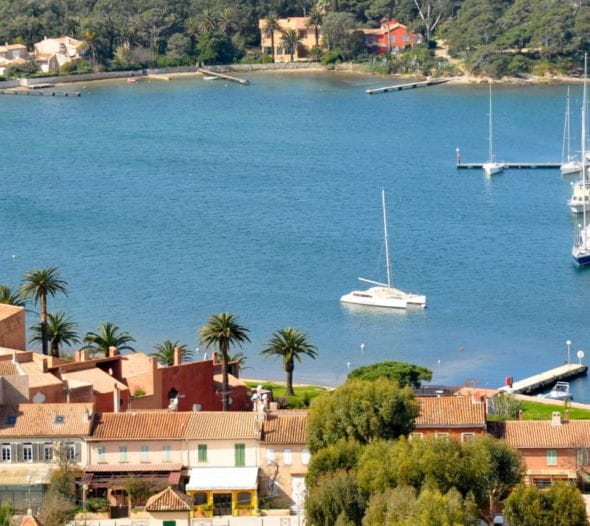
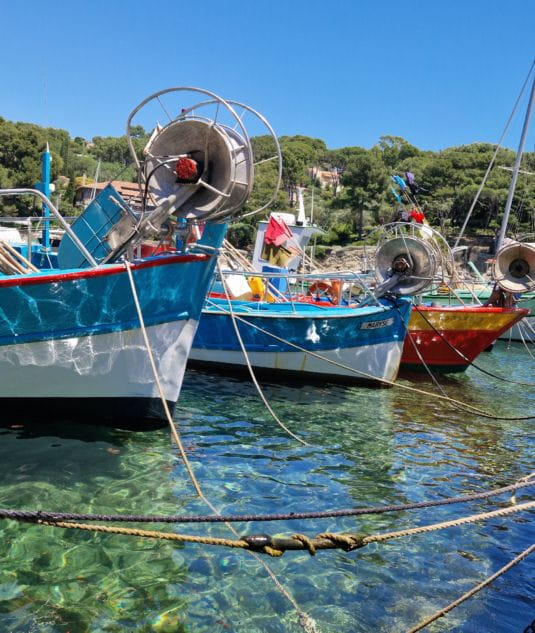
The Giens Peninsula is one of the most sought-after destinations for a vacation combining sea and nature in the Var. It captivates visitors with its wild landscapes, renowned beaches, and prime access to the Îles d’Or.
What to do around the Giens Peninsula?
- Enjoy the beaches of La Badine and L’Almanarre, iconic spots for swimming and water sports
- Take a boat to the island of Porquerolles from La Tour Fondue
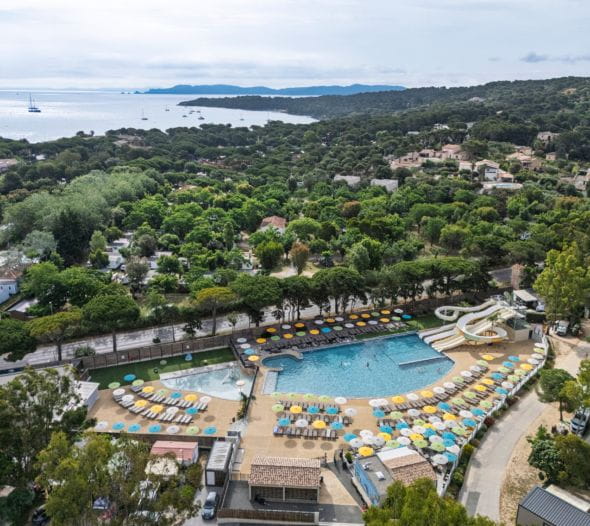
- Spend a refreshing day at our water park
- Explore the coastal trails and admire exceptional views of the Mediterranean
- Discover the Provençal markets and the historic center of Hyères
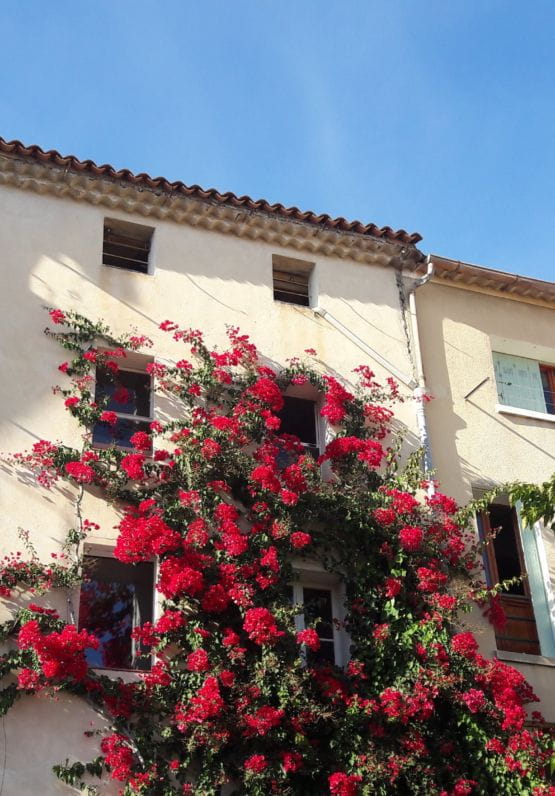
Hyères les Palmiers, a town steeped in history
Welcome to Hyères les Palmiers!
Make the most of your camping trip on the Giens Peninsula to immerse yourself in the history of this seaside town, which dates back over 2,400 years.
We’ve selected the city’s most iconic sites and monuments for you, so you can take a journey through the centuries during your stay at a campsite in Hyères.
The Olbia Archaeological Site
From your campsite in Hyères, your air-conditioned mobile home rental, or your seaside apartment, immerse yourself in the city’s ancient history!
Over 2,400 years ago, on the shores of Almanarre Beach, the ancient Greek port city of Olbia—meaning “the blessed one”—stood at the crossroads of Mediterranean maritime trade. Narrow streets, shops, thermal baths, houses, sanctuaries… all these living spaces bear witness to the city’s wealth. Self-guided or guided tours to discover the origins of the city of Hyères.
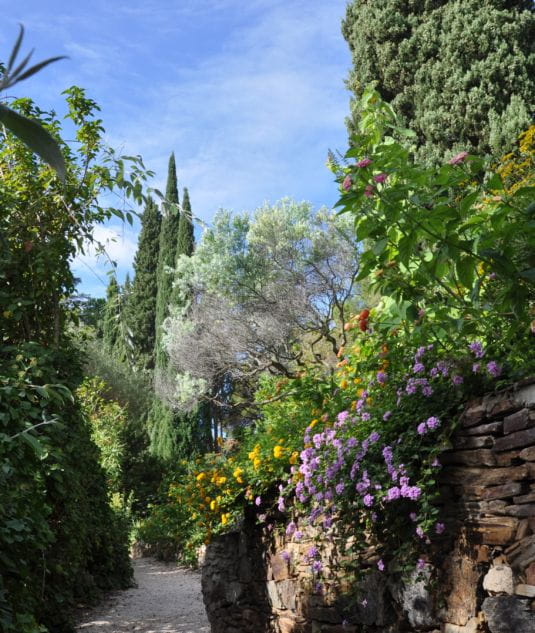
Medieval Town, Castel Sainte-Claire Park, and the Ruins of Hyères Castle
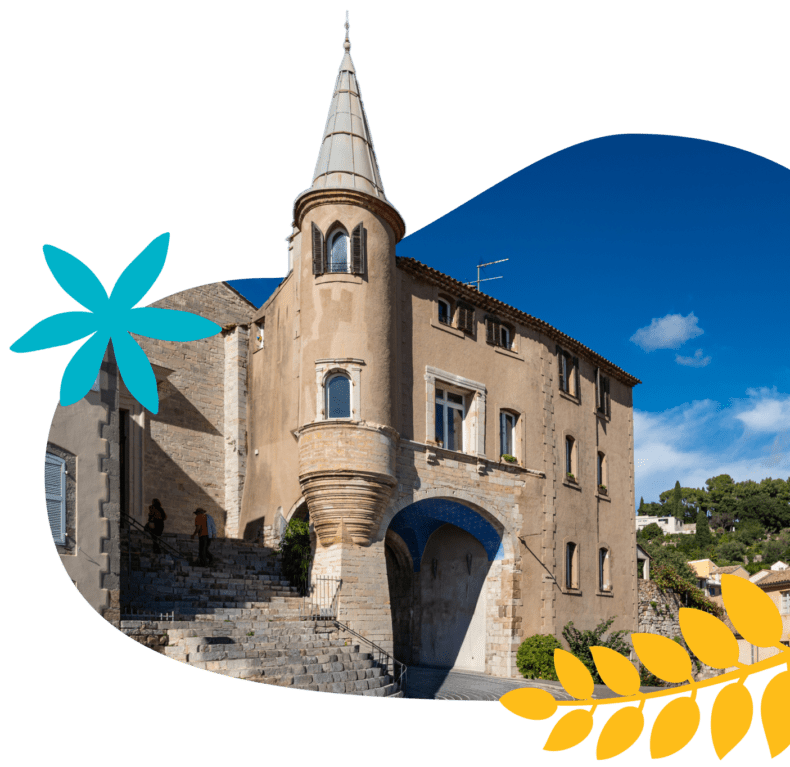
Step back in time to the Middle Ages during a stroll through the old town, known as “Vieux Hyères” by the locals. Pass through the Porte Massillon and enter this ancient fortified village, making your way to Place Massillon and the Templar Tower that overlooks it. Cobbled streets, porticos, ancient gates, and flower-adorned houses will guide your wanderings in every season.
The Parcours des Arts, a local initiative designed to revitalize the downtown area, will allow you to visit the studios and shops of artists and artisans with diverse styles, passing near the Saint-Paul Collegiate Church or the Saint-Louis Church, two jewels of Hyères’ religious heritage, as well as the old washhouse, accessible via a staircase leading down from Place Saint-Paul.
Further up, we recommend discovering our favorite spot: the Parc du Castel Sainte-Claire, for a refreshing and idyllic break in this remarkable garden, whose castle was built in the 19th century by Olivier Voutier, one of the discoverers of the Venus de Milo. In 1927, the American novelist Edith Wharton purchased the property and had the current botanical garden laid out there, a rich and diverse space featuring numerous exotic species. A true invitation to travel…about 20 minutes from our campsite on the Giens Peninsula.
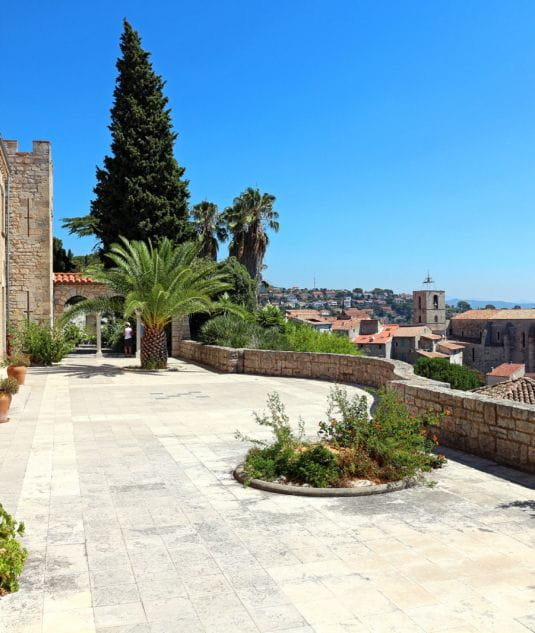
Continue your historical stroll toward the ruins of Hyères Castle… Built in the 11th century by the Lords of Fos atop the hill overlooking the sea, the ancient castle—which has been remodeled over the centuries—served to monitor and defend the coastline, particularly against pirate attacks. Stroll along the paths winding beneath the trees, make your way through the ruins, towers, and ramparts to the observation decks, where the view is breathtaking over the town, the Giens Peninsula, and the three Îles d’Or, which stretch just a stone’s throw from the mainland, including the radiant Port-Cros and its eponymous National Park, established in 1963.
As an anonymous writer noted in 1861, “I have just visited the ruins of the old castle and enjoyed this magnificent view. This day restores to my heart all the freshness of youth and memory.”
At the beginning of the 20th century, the town experienced a new boom thanks to its mild winters and became a renowned seaside resort, frequented notably by Queen Victoria starting in 1892, following in the footsteps of the British aristocracy who came to enjoy the fresh air and sunshine of this winter tourism. Hyères attracted artists and writers throughout the decades…
Camping in Hyères only became popular starting in the 1960s, with the surge in family vacations by the sea.
Villa Noailles and Saint-Bernard Park
Heading back down toward downtown, another must-see stop…
Villa Noailles, now an art center dedicated to architecture, design, fashion, and photography, is one of France’s earliest modernist buildings. Designed in 1923 and occupied starting in 1925, the original villa—built by architect Robert Mallet-Stevens for Charles and Marie-Laure de Noailles, wealthy patrons of modern art during the Roaring Twenties—embodies the founding principles of the Rationalist movement. The successive extensions carried out until 1933, along with the remarkable enhancement of the site, transformed the modest vacation home into a veritable stationary ocean liner spanning 1,800 m².
Located at the foot of the Villa, Parc Saint-Bernard occupies a prime location and offers a wonderful panoramic view of the horizon and your campsite near Hyères. A garden designed by the Vicomte de Noailles himself, featuring rare exotic and Mediterranean species.
Enjoy your stay—our La Presqu’île de Giens campsite is the ideal starting point for exploring the city’s treasures.
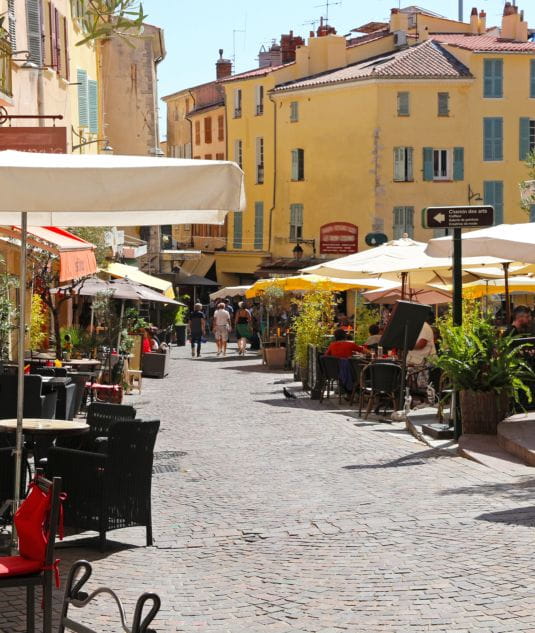
Must-see attractions in Hyères in the Provence-Alpes-Côte d’Azur region:
- the archaeological site of Olbia
- the Templar Tower, Place Massillon
- the old washhouse, Rue du Repos
- Saint-Paul Collegiate Church
- the remarkable Parc Sainte-Claire garden
- Villa Noailles
- the Castle
- Beaches & Nature: Almanarre Beach, Badine Beach, hikes along the coastal trail
- Îles d’Or: Porquerolles, Port-Cros, and Le Levant
- Local markets: Tuesday mornings in the village of Giens, Wednesday mornings in L’Ayguade, Friday mornings in La Capte, Saturday mornings in downtown Hyères, and Sunday mornings at the port of Hyères